
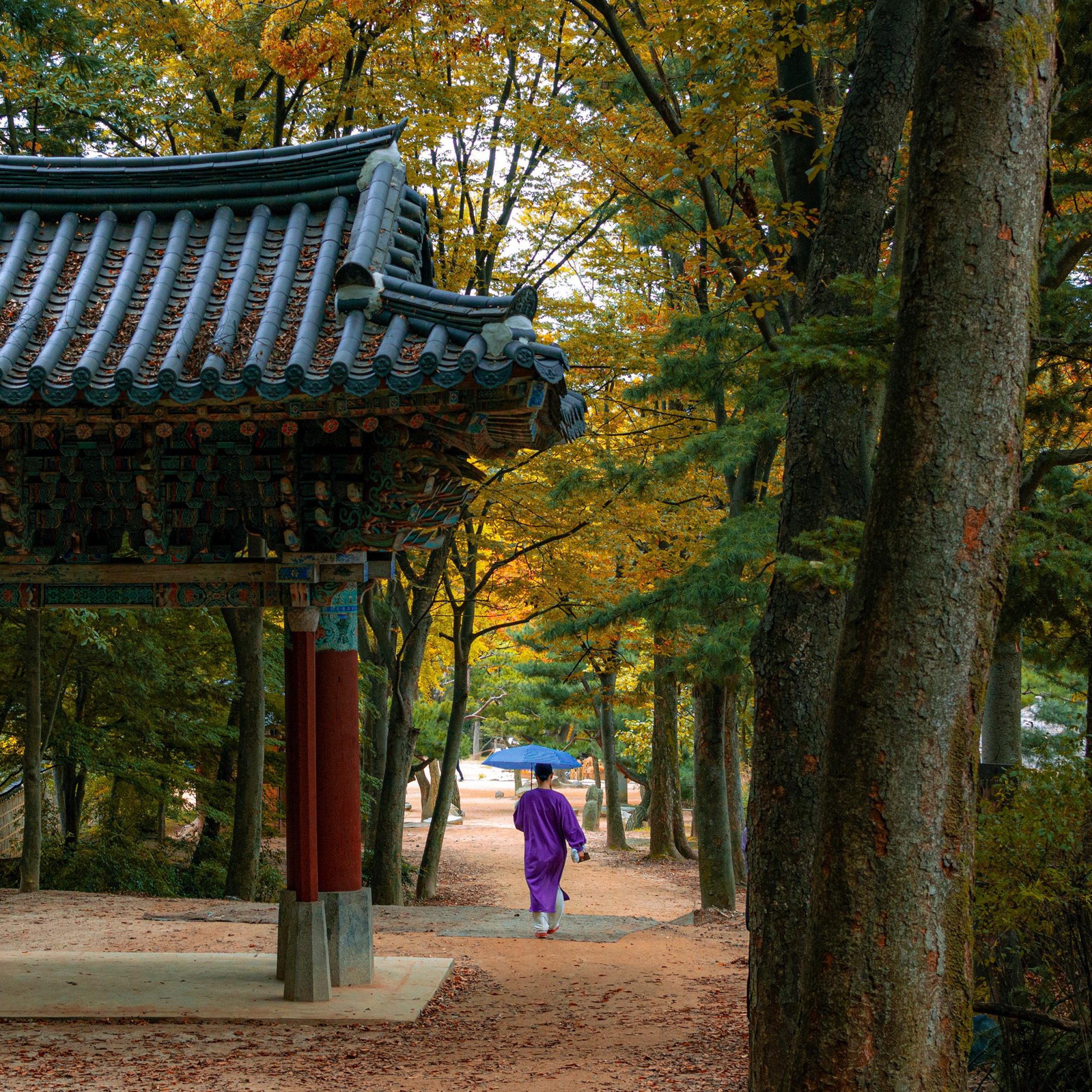
# Summer in Southeast Asia: Where to Go and What to Expect
Southeast Asia in Summer: Is It Worth It? (My Honest Experience After 8 Trips)
I’ve traveled to Southeast Asia eight times, and four of those trips were during summer (May-October). Everyone told me I was crazy—”It’s monsoon season!” “You’ll melt in the heat!” “Why not wait until winter?”
Here’s what I actually discovered: Summer in Southeast Asia is one of the best-kept travel secrets, IF you know what you’re doing.
Yes, it’s hot. Yes, it rains. But you’ll also experience 50% fewer tourists, 30-40% cheaper prices, impossibly green landscapes, and a completely different side of the region that peak-season travelers never see.
Let me share everything I’ve learned from my summer adventures across Thailand, Vietnam, Bali, and Cambodia—the good, the challenging, and the downright sweaty.
Understanding Southeast Asia’s Summer Season (The Truth)
Summer in Southeast Asia runs May through October, overlapping with what locals call the “wet season” or “monsoon season.”
Before you panic, let me clarify what monsoon season actually means based on my experience:
What Monsoon Season Is NOT:
- ❌ 24/7 torrential rain for months
- ❌ Impossible to travel or enjoy yourself
- ❌ Everything closed and flooded
- ❌ Constant storms ruining your plans
What Monsoon Season Actually IS:
- ✅ Brief afternoon thunderstorms (1-2 hours typically)
- ✅ High humidity (this is the real challenge)
- ✅ Occasional heavy rain days
- ✅ Dramatically fewer tourists
- ✅ Lush, vibrant green landscapes
- ✅ Significantly lower prices
My reality: During my 3 weeks in Thailand/Vietnam in July, it rained every day… for about 90 minutes in the afternoon. I’d grab lunch, wait out the storm in a café with iced coffee, then continue exploring. It became part of the rhythm.
The humidity is honestly more challenging than the rain. You’ll sweat constantly. Your clothes will stick to you. You’ll shower 2-3 times per day. But you adapt.
Why I Actually Prefer Summer in Southeast Asia
After experiencing both seasons, here’s why I now deliberately book summer trips:
1. The Pricing Is Insane (In a Good Way)
My actual savings:
December (Peak Season) Bali Trip:
- Flight: $880 roundtrip
- Hotel: $80/night
- Activities: Full price
- Total (10 days): $2,680
July (Summer) Bali Trip:
- Flight: $520 roundtrip (Kiwi.com deal)
- Hotel: $45/night (same hotel!)
- Activities: 20-30% off
- Total (10 days): $1,570
I saved $1,110 on identical trips. That’s enough for another entire vacation.
Hotels drop rates 30-50% during summer. I stayed in a gorgeous villa in Ubud with a private pool for $65/night. Peak season? $150/night. Same property.
2. No Crowds = Actual Cultural Immersion
Peak season Angkor Wat: 5,000+ tourists daily. Impossible to get photos without people. Queues for sunrise viewing.
Summer Angkor Wat: Maybe 500-800 tourists. I had entire temple complexes to myself. Could actually meditate in peace. Meaningful conversations with monks without crowds pushing through.
Real example: The Grand Palace in Bangkok in December felt like Disneyland—packed, rushed, stressful. In July? I spent 3 hours wandering peacefully, talking with guards, actually reading plaques and understanding the history.
3. The Landscapes Are Incredible
The rain transforms Southeast Asia into a completely different place. Rice paddies turn brilliant emerald green. Waterfalls run at full force. Jungles explode with life.
My favorite summer sight: The Mekong Delta in Vietnam during flood season. Floating markets come alive, the countryside turns into a waterworld, and you experience Vietnam the way it’s been for centuries.
Would I have seen this in dry season? No. The magic simply doesn’t exist without the rain.
4. Locals Are More Relaxed and Friendly
When tourism drops, locals have time to actually interact. I had countless conversations with shop owners, tuk-tuk drivers, and restaurant staff who had 5 minutes to chat instead of rushing to serve hordes of tourists.
Best conversation: A café owner in Chiang Mai spent 45 minutes teaching me about Thai tea preparation because I was his only customer. We’re still Instagram friends.
The Challenges (Let Me Be Real)
Summer Southeast Asia isn’t perfect. Here are the genuine downsides:
1. The Humidity Is Brutal
This is the hardest part. It’s not just hot—it’s oppressively humid. 80-95% humidity is normal.
What this means:
- You’ll sweat constantly
- Clothes never fully dry
- You’ll feel sticky 24/7
- Electronics can get moisture damage
- Your hair will do weird things
How I cope:
- Embrace it (fighting it is pointless)
- Shower 2-3 times daily
- Wear only lightweight, quick-dry clothing
- Carry a small towel for constant face wiping
- Stay in accommodations with good AC
2. Afternoon Storms Interrupt Plans
Most days see 1-3 hour thunderstorms between 2-5 PM.
My strategy:
- Schedule outdoor activities early (6-11 AM)
- Plan indoor activities for afternoon (museums, massages, cooking classes)
- Use storm time for lunch and coffee breaks
- Evening activities after storms pass (6 PM onwards)
It becomes predictable. After a few days, you learn the pattern and plan around it.
3. Some Islands/Beaches Close
Certain destinations become inaccessible or unpleasant during summer:
Avoid in summer:
- Myanmar’s Ngapali Beach (too rainy)
- Philippines’ Palawan (rough seas, ferry cancellations)
- Some Thai islands on Andaman Coast
Still great in summer:
- Bali (dry season!)
- Northern Thailand (Chiang Mai, Chiang Rai)
- Cambodia (Siem Reap, Phnom Penh)
- Southern Vietnam (Mekong Delta)
- Singapore (hot but manageable)
4. Travel Disruptions Happen
I’ve experienced:
- Flight delays due to thunderstorms
- Flooded roads (once, minor inconvenience)
- Canceled boat trips
- Attractions closing early due to weather
My advice: Build flexibility into your itinerary. Don’t pack days so tightly that a delay ruins everything.
Best Southeast Asian Destinations for Summer
Based on my experiences, here’s where to go:
1. Bali, Indonesia – THE Summer Winner
Bali’s dry season is May-October, making it the perfect summer destination.
Why Bali wins:
- Opposite weather pattern (dry when others are wet)
- Consistently beautiful weather
- Lower prices than peak season
- Fewer Australians (they come during their winter, our summer)
My Bali summer experience:
- 14 days in July
- Rain: 2 brief showers total
- Weather: Sunny and gorgeous
- Crowds: 40% fewer than December
- Cost: $1,400 total (would be $2,500+ in peak season)
Book flights to Bali: I always find the best deals on Kiwi.com or Trip.com for Asian routes. Skyscanner is also great for comparing multiple airlines.
Must-do in Bali summer:
- Ubud rice terraces (greenest season)
- Temple ceremonies (amazing cultural experiences)
- Sunrise at Mount Batur
- Beach clubs in Canggu/Seminyak
2. Northern Thailand (Chiang Mai, Chiang Rai)
Northern Thailand’s summer brings rain but also incredible greenery and cultural festivals.
Why I love it:
- Temperatures cooler than Bangkok (28-32°C vs. 35°C+)
- Stunning green mountains and jungles
- Amazing temples with no crowds
- Digital nomad scene thrives year-round
My July Chiang Mai trip:
- 10 days exploring temples, mountains, cooking classes
- Rain: Daily afternoon showers (1-2 hours)
- Hotel: $25/night (vs. $60 in peak season)
- Activities: Elephant sanctuary, temple tours, night markets
Real win: Had Doi Suthep temple mostly to myself at sunrise. Peak season? Packed with tour groups.
Book flights to Thailand: Trip.com frequently has the best Bangkok prices, then book a domestic flight to Chiang Mai.
3. Cambodia (Siem Reap, Phnom Penh)
Cambodia transforms during monsoon season—the countryside becomes a lush wonderland.
Why summer works:
- Angkor Wat without crowds (life-changing)
- Tonle Sap Lake at its fullest
- Dramatic green landscapes
- Prices drop 40-50%
My experience:
- 5 days at Angkor temples in August
- Hired a guide for $25/day (vs. $50 in peak season)
- Hotels: $20-30/night for nice places
- Had temples to myself for photography
The magic: Watching sunrise at Angkor Wat with maybe 50 people vs. 1,000+ in December. Absolutely worth the humidity.
Insider tip: Afternoon storms made afternoon temple visits empty. Everyone else hid indoors—I had Ta Prohm (jungle temple) completely alone.
4. Vietnam (Hanoi, Mekong Delta, Central Highlands)
Vietnam’s summer is hot and humid, but specific regions shine.
Best summer spots:
- Hanoi: Hot but fascinating culture
- Mekong Delta: Flood season = best time (floating markets, water villages)
- Sapa/Central Highlands: Cooler mountain weather
- Da Lat: Pleasant year-round
Avoid in summer:
- Hoi An (too rainy)
- Da Nang beaches (rough seas)
My Mekong Delta adventure:
- 4 days on river tours in July
- Experienced authentic floating markets at full capacity
- Stayed in homestays ($15/night including meals)
- Water levels perfect for boat access everywhere
The humidity was intense, but experiencing the Delta at flood season showed me a Vietnam tourists in dry season never see.
5. Singapore – Year-Round Destination
Singapore doesn’t really have seasons—it’s hot and humid always, with afternoon storms year-round.
Why summer works:
- Weather essentially the same as “peak season”
- Slightly fewer tourists
- Great food scene year-round
- Modern infrastructure handles rain easily
My strategy: Use Singapore as a stopover when flying to other destinations. Spend 2-3 days exploring, then continue elsewhere.
Find Singapore flights on Trip.com →
What to Actually Pack (From Experience)
I’ve overpacked and underpacked. Here’s my refined summer Southeast Asia packing list:
Clothing (Less Is More)
Bring:
- 3-4 lightweight, quick-dry t-shirts
- 2 pairs quick-dry shorts
- 1 pair lightweight pants (for temples)
- 1 lightweight long-sleeve shirt (sun protection)
- Sandals (primary footwear)
- One pair proper walking shoes
- 1-2 dresses/nice shirts for evenings
- Swimsuit
- Undergarments (quick-dry only)
Fabric rules:
- Natural fibers (cotton, linen, bamboo)
- Quick-dry synthetics
- Light colors (absorb less heat)
- Never jeans (they never dry)
Reality: You’ll wear the same 3-4 outfits on rotation. Bring less, do laundry often (cheap and available everywhere).
Essential Gear
Must-haves:
- ✅ High SPF sunscreen (50+) – Buy locally, it’s cheaper
- ✅ Quality rain jacket (lightweight, packable)
- ✅ Small umbrella (compact, sturdy)
- ✅ Quick-dry towel (microfiber)
- ✅ Waterproof phone case
- ✅ Waterproof day bag (20L)
- ✅ Insect repellent (DEET 30%+)
- ✅ Electrolyte packets (prevent heat exhaustion)
- ✅ Small hand towel (for constant sweat wiping)
Tech protection:
- Ziplock bags for electronics
- Silica gel packets
- Waterproof case for phone/camera
Optional but nice:
- Portable fan (USB-rechargeable)
- Cooling towel
- Dry bags for packing organization
Medications & Health
Bring from home:
- Imodium (digestive issues happen)
- Antihistamines (allergies, bug bites)
- Pain relievers
- Any prescription medications (double what you need)
- Basic first aid supplies
Buy locally:
- Mosquito repellent
- Sunscreen (cheaper there)
- Aloe vera (for sunburn)
What NOT to Bring
❌ Heavy jeans or denim ❌ Non-breathable synthetic fabrics ❌ Heavy shoes or boots ❌ Excessive clothing (you’ll wear 20% of what you pack) ❌ Expensive jewelry ❌ Hair dryers/straighteners (humidity makes them pointless)
Money-Saving Strategies for Summer Travel
Summer Southeast Asia is already cheap. Here’s how I make it even cheaper:
1. Flight Deals
My booking strategy:
- Book 2-3 months out for best prices
- Use Skyscanner for comprehensive search
- Check Kiwi.com for creative routing
- Trip.com for Asian destinations
- Always compare against airline websites directly
Real savings:
- NYC to Bangkok peak season: $900-1,200
- NYC to Bangkok summer: $550-750
- Saved: $350-450
2. Accommodation Deals
Summer discounts:
- Hotels: 30-50% off peak rates
- Homestays: Often negotiable
- Long-term stays: Even better deals
My approach:
- Book first 2-3 nights online
- Negotiate directly for extended stays
- Ask for “low season” rates
Example: Chiang Mai apartment:
- Peak season: $60/night
- Summer walk-in rate: $25/night
- Negotiated weekly rate: $20/night
3. Activity Discounts
Tour operators, cooking classes, and activities all offer summer discounts.
Always ask: “Do you have a low-season rate?”
My wins:
- Cooking class: $35 (vs. $60 peak)
- Private temple tour: $40 (vs. $80 peak)
- Massage: $10 (vs. $15 peak)
4. Flight Connections
Instead of direct flights, use Southeast Asia’s cheap regional airlines:
Example routing:
- NYC → Bangkok on Kiwi.com: $620
- Bangkok → Bali on AirAsia: $80
- Bali → Singapore on Scoot: $65
- Singapore → Bangkok → NYC: $580
Total with stopover cities: $1,345 vs. Direct routing: $1,800+
Saved $450+ AND visited 4 cities instead of 1.
Health & Safety Tips (Real Talk)
Heat Management
I learned the hard way after near heat exhaustion in Siem Reap:
Rules that saved me:
- Drink water constantly (3-4 liters/day minimum)
- Avoid alcohol during daytime
- Take breaks every 2 hours
- Stay indoors during peak heat (12-3 PM)
- Wear a hat always
- Use electrolyte supplements
Warning signs of heat issues:
- Dizziness
- Headache
- Nausea
- Excessive fatigue
If you feel these: Stop immediately, find AC, drink water with electrolytes, rest.
Food Safety
My rules:
- Eat where locals eat (high turnover = fresh food)
- Avoid ice in rural areas
- Street food is usually fine (watch them cook it)
- Bottled water only
I got sick once in 8 trips (my fault—ignored my own rules). Imodium and rest fixed it in 24 hours.
Mosquito Protection
Monsoon season = more mosquitoes = dengue/malaria risk in some areas.
My protection:
- DEET 30%+ repellent (reapply every 4 hours)
- Long sleeves at dawn/dusk (peak mosquito times)
- Mosquito net when sleeping (check hotels have screens)
- Stay in AC when possible (mosquitoes avoid cold)
I never got dengue following these rules religiously.
Travel Insurance
Get it. Seriously.
Summer means higher chance of weather disruptions, and medical issues happen.
What I use:
- VisitorsCoverage for comprehensive international coverage
- Insubuy for customizable plans
Covers:
- Medical emergencies
- Evacuation
- Trip cancellations (weather-related)
- Lost luggage
Cost: $2-4/day for comprehensive coverage
Worth it? Absolutely. Peace of mind alone is worth the minimal cost.
Sample Summer Itineraries
2-Week Bali + Thailand
Week 1: Bali
- Days 1-2: Ubud (rice terraces, temples, yoga)
- Days 3-4: Nusa Penida day trip + Sanur beach
- Days 5-7: Canggu/Seminyak (surfing, beach clubs, restaurants)
Week 2: Chiang Mai
- Days 8-9: Old City temples, cooking class
- Day 10: Doi Suthep + mountain hike
- Day 11: Elephant sanctuary
- Days 12-14: Pai or Chiang Rai excursion
Flights:
- NYC → Bali: Kiwi.com
- Bali → Chiang Mai: AirAsia
- Chiang Mai → NYC: Skyscanner
10-Day Cambodia + Vietnam
Days 1-5: Siem Reap, Cambodia
- Angkor Wat temples (3 full days)
- Tonle Sap floating villages
- Night markets, Pub Street
Days 6-10: Mekong Delta + Ho Chi Minh, Vietnam
- Floating markets (Can Tho)
- River homestays
- HCMC history and street food
Perfect summer combo: Both destinations are incredible during monsoon season.
Is Summer Southeast Asia Right for You?
Choose summer if:
- ✅ You want to save 30-50% on everything
- ✅ You hate crowds and want authentic experiences
- ✅ You can handle heat and humidity
- ✅ You’re flexible with plans (weather disruptions)
- ✅ You want to see landscapes at their greenest
Skip summer if:
- ❌ You require perfect beach weather
- ❌ You can’t handle any heat/humidity
- ❌ You have a rigid schedule (delays would ruin plans)
- ❌ You want guaranteed sunshine every day
- ❌ You’re unwilling to adapt to local conditions
My Final Verdict
After 8 trips to Southeast Asia (4 summer, 4 winter), I genuinely prefer summer now.
Why?
- Saved over $4,000 total across summer trips
- Had Angkor Wat, temples, beaches to myself
- Experienced authentic local life
- Saw landscapes most tourists never witness
- Made deeper connections with locals
The tradeoffs?
- Sweat constantly (you adapt)
- Plan around afternoon storms (becomes routine)
- Occasional weather disruptions (build flexibility)
For me, the benefits massively outweigh the challenges.
Would I recommend summer Southeast Asia? Absolutely—to the right traveler.
If you value experiences over comfort, authenticity over perfection, and savings over convenience, summer Southeast Asia will blow your mind.
Start Planning Your Summer Adventure
Book flights:
- Skyscanner: Compare all options →
- Kiwi.com: Creative routing & best deals →
- Trip.com: Asian destinations specialist →
Research destinations:
Protect your trip:
Get around:
Pack light, embrace the rain, bring electrolytes, and prepare for one of the most rewarding travel experiences of your life.
Summer Southeast Asia isn’t for everyone—but for those who “get it,” it’s absolute magic.
See you in the monsoon. ☔✈️🌴
Last updated: May 2026. Weather patterns and seasonal information based on personal experience across 8 trips (2018-2026).

Comment (0)